Wish Good: A Playful Handwritten Script Font for Creative Projects
There is something about a handwritten font that instantly makes a design feel warmer, more personal, and more approachable. In a world where digital communication often feels cold and templated, a script typeface like Wish Good offers a welcome dose of personality. Created by Kong Font Studio, this modern and playful handwritten script font has been gaining attention among crafters, designers, and business owners alike. But what makes it stand out, and is it the right choice for your next project? Let’s take a closer look at what Wish Good brings to the table and how it can be used effectively.
What Is Wish Good and Why Does It Matter?
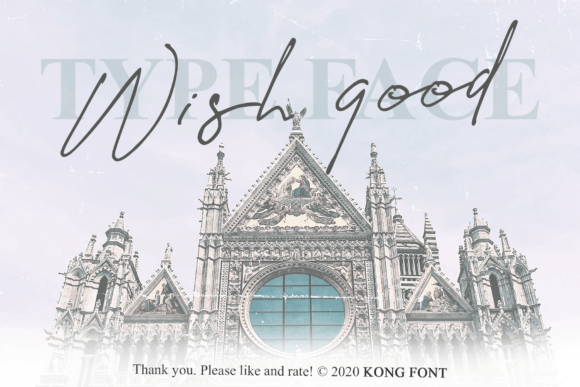
At its core, Wish Good is a handwritten script font that leans into a sense of joy and spontaneity. Unlike many script fonts that aim for elegance or formality, Wish Good is unapologetically playful. Its letterforms have a bouncy, irregular rhythm that mimics the natural flow of handwriting, making each word feel like it was penned by hand rather than generated by software. This is not a font that tries to blend in or fade into the background. It wants to be noticed, and it wants to make people smile.
The font was designed with crafters and designers in mind, which means it comes ready to work in a variety of creative environments. Whether you are using Adobe Photoshop, Silhouette Design Studio, or other popular design tools, Wish Good is compatible and easy to install. Its playful nature makes it especially well-suited for projects that need a human touch.
The Characteristics That Define Wish Good
To understand whether Wish Good fits your needs, it helps to look at its specific traits. Here are the key characteristics that set it apart from other script fonts:
- Playful letterforms: The characters have a natural variation in height, slant, and spacing, giving the font a lively, carefree look.
- Handwritten authenticity: Each stroke feels organic, with slight imperfections that make the text feel genuine rather than mechanical.
- Modern but not trendy: While it feels contemporary, Wish Good avoids overly exaggerated features that might date it quickly. It has a timeless quality that keeps it relevant across different styles and eras.
- Readable at moderate sizes: While it is not designed for body text, it is legible enough for headings, quotes, and short phrases, especially when used at sizes of 18 points or larger.
- Versatile weight and flow: The font maintains a consistent rhythm without being rigid, making it suitable for both print and digital applications.
These traits make Wish Good a strong contender for projects where you want the text to feel like it belongs to a person, not a machine. It brings warmth and approachability to any layout.
Where Can Wish Good Be Used? Real-World Scenarios
One of the most appealing aspects of Wish Good is its adaptability. It can find a home in many different contexts, from small personal projects to professional branding. Below are some real-world scenarios where this font shines.
Greeting Cards and Stationery
If you design greeting cards, invitations, or thank-you notes, Wish Good can give your text the feeling of a personal message. Its handwritten look pairs beautifully with floral illustrations, watercolor elements, or simple minimalist layouts. A birthday card that uses Wish Good for the main greeting immediately feels more intimate and heartfelt than one using a standard serif font.
Social Media Graphics and Quotes
Social media feeds are crowded with content, and standing out often requires a unique visual style. Wish Good works exceptionally well for quote graphics, motivational posts, and short announcements. The playful letterforms catch the eye and add a layer of personality that can help your posts get noticed. Whether you are using Photoshop or a tool like Canva, the font integrates smoothly and gives your text a distinct voice.
Product Labels and Packaging
For small business owners and makers, packaging is a crucial part of the brand experience. Wish Good can be used on product labels for handmade goods, candles, soaps, or baked goods. The font conveys a sense of authenticity and craftsmanship, which aligns well with the values of many small brands. A jar of handmade jam with a Wish Good label feels like it came from a friend’s kitchen, not a factory.
DIY and Craft Projects
Silhouette Design Studio users will find Wish Good particularly useful for vinyl cutting, stencils, and iron-on transfers. The font’s natural curves and varied stroke widths translate well into cut lines, making it a favorite among crafters who create custom t-shirts, tote bags, wall decals, and scrapbook layouts. Because the font is designed with craft workflows in mind, it avoids overly thin strokes that might cause cutting issues.
Branding for Creative Businesses
While Wish Good is playful, it can also be part of a professional brand identity—especially for businesses in the creative, lifestyle, or wellness space. A children’s book author, a wedding planner, or a boutique bakery could all use Wish Good in their logos or marketing materials. It communicates approachability and creativity without sacrificing professionalism.
Who Benefits From Using Wish Good?
The versatility of Wish Good means it appeals to a wide range of users. Let’s break down who might get the most value from this font.
- Hobbyist crafters: If you enjoy making handmade gifts, cards, or home décor, Wish Good adds a polished touch to your projects without requiring advanced design skills.
- Graphic designers: For professionals looking to expand their font library with something distinctive, Wish Good offers a playful option that stands out from common system fonts.
- Small business owners: Whether you sell products online or run a local shop, using Wish Good in your labels, signage, or social media can help humanize your brand.
- Event planners and marketers: Posters, flyers, and digital ads can all benefit from the inviting tone of Wish Good, especially for events aimed at families, children, or community audiences.
- Educators and content creators: Teachers creating classroom materials or YouTubers designing thumbnails may find that Wish Good adds a friendly, accessible feel to their content.
Strengths and Considerations When Using Wish Good
No font is perfect for every situation, and Wish Good is no exception. Understanding its strengths and limitations will help you use it effectively.
Strengths
- Distinctive personality: Wish Good has a strong voice. It does not disappear into the background, which is exactly what you want for headlines and focal points.
- Easy to pair: Because it is so expressive, it pairs well with simple sans-serif fonts like Montserrat, Lato, or Open Sans. The contrast creates a balanced hierarchy that is visually appealing.
- Compatible with major tools: Works seamlessly in Photoshop, Silhouette Design Studio, Illustrator, Canva, and most other design platforms. Installation is straightforward on both Windows and Mac.
- Great for short text: For headlines, titles, and short phrases, Wish Good delivers excellent impact. It is especially effective when used at larger point sizes where the handwritten details can be fully appreciated.
Considerations and Limitations
- Not suitable for body text: Like most script fonts, Wish Good becomes difficult to read in long paragraphs or at small sizes. Use it sparingly and reserve it for short, prominent text.
- Less formal applications: If your project requires a serious, traditional, or corporate tone, Wish Good may feel out of place. It is best suited for contexts where warmth and creativity are valued.
- Check licensing: Like all fonts from Kong Font Studio, it is important to review the license terms. Some uses—such as commercial branding or merchandise—may require an extended license. Always verify before using the font in paid products.
- May require spacing adjustments: Because the letterforms are irregular, you may need to tweak kerning or tracking in certain design tools to achieve the perfect look. This is common with handwritten fonts and is easy to adjust.
How to Evaluate Whether Wish Good Is Right for Your Project
With so many fonts available, choosing the right one can feel overwhelming. Here are a few practical questions to help you decide if Wish Good is the right fit:
- What is the tone of your project? If you are aiming for friendly, personal, or joyful, Wish Good is a strong candidate. If the tone needs to be professional or authoritative, you might want to explore other options.
- How much text do you need to set? If your design relies on short bursts of text—headlines, names, slogans, or short quotes—Wish Good will perform beautifully. For long paragraphs, look elsewhere.
- Who is your audience? Consider whether the people seeing your design would respond to a playful, handwritten aesthetic. For children’s products, party invitations, or creative branding, the answer is often yes.
- What medium are you using? Wish Good works across print and digital, but be mindful of size. Test it at different scales to ensure legibility in your specific context.
- Does it pair well with your other fonts? Try combining Wish Good with a clean sans-serif or a subtle serif. The contrast usually works well, but it is worth testing before finalizing your layout.
Practical Tips for Getting the Most Out of Wish Good
Once you have decided to use Wish Good, a few best practices can help you get the best results.
- Use it at larger sizes: Aim for 18 points or larger for headlines and prominent text. This lets the handwritten details shine and keeps the text readable.
- Pair it with neutral backgrounds: Wish Good stands out best against simple, uncluttered backgrounds. Let the font be the star of your design.
- Experiment with color: Because the font has a lively feel, it works well in bright or pastel colors. Try using it in your brand accent color for extra impact.
- Combine with textures: If you are designing for print, consider layering Wish Good over subtle textures like paper grain, watercolor washes, or fabric patterns. The effect can be very charming.
- Test before committing: Always preview your text in the actual layout before finalizing. Handwritten fonts can behave differently depending on the words you use and the surrounding design elements.
Final Thoughts on Wish Good
Wish Good from Kong Font Studio is more than just another script font. It is a tool for injecting personality, warmth, and a sense of handmade care into your projects. Whether you are a crafter working in Silhouette Design Studio, a designer building a brand in Photoshop, or a small business owner creating product labels, this font offers a playful yet polished option that stands out without being overwhelming.
By understanding its strengths—and respecting its limitations—you can use Wish Good to communicate in a way that feels authentic and engaging. In a digital world that often favors sameness, a font with genuine character can make all the difference.
If your next project calls for a handwritten touch that feels both modern and joyful, Wish Good is well worth considering. Try it out, experiment with pairings, and see how it transforms your words into something people will want to read and remember.